
Seasonal tips

List of articles
Dog clothing is not pampering. When there is a reason for it.
Some dogs handle freezing weather without a second thought, while others start shivering while waiting outside a café in autumn. There is no single temperature or rule that fits every dog. What matters is the individual dog, the weather and what you are doing together.
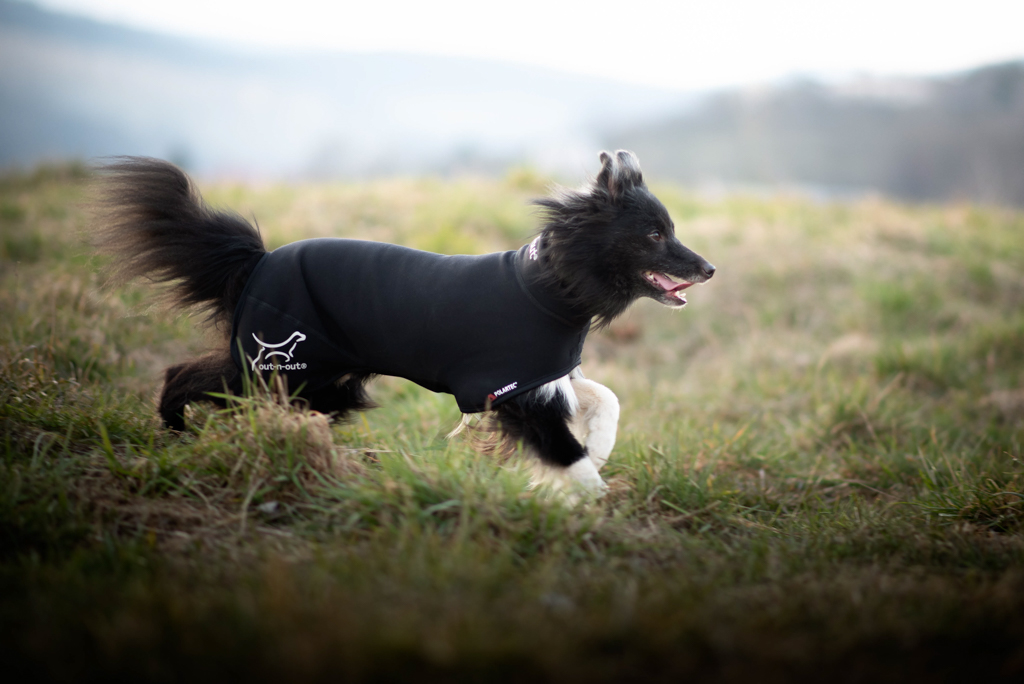
There is no temperature at which every dog needs clothing
Two dogs can stand side by side in the same weather and need completely different things. Look at coat type, age, condition, weather and, above all, how much the dog will be moving.
Before reaching for a coat, ask yourself three questions
They tell you more than the number on the thermometer.
What kind of coat does your dog have?
A dense undercoat insulates very differently from short hair without an undercoat. Coat density, grooming and how easily your dog gets soaked also matter.
What will your dog be doing?
A dog running through the woods warms up very differently from a dog waiting in the car, between training sessions or beside you at a bus stop.
What is the weather like?
Temperature is only part of the picture. Wind, rain and moisture can change thermal comfort significantly.
Which dogs are most likely to benefit from clothing?
Breed is only a starting point. The individual dog is what really matters.
Short-haired dogs and dogs without an undercoat
Without a dense insulating layer, a dog may lose heat more quickly in cold weather. Typical examples include short-haired pointing breeds, Dobermans and other athletic dogs with fine coats.
Puppies and senior dogs
Age can affect a dog’s ability to maintain thermal comfort. Senior dogs may also move less, which can make a difference.
Dogs that feel the cold
Some dogs make it quite clear that they want an extra layer. They seek warmth, dislike standing around in the cold or become uncomfortable during longer periods outdoors.
Dogs while waiting
An active dog can be perfectly warm while working and standing still ten minutes later. Waiting before and after activity is often when a light layer makes the most sense.
Movement changes the rules
The same dog may need clothing at one point in the afternoon and not need it at another.
Movement generates heat
When running, doing agility, canicross or brisk hiking, the muscles generate heat. A heavy layer may therefore be unnecessary during intense activity.
Thermal comfort matters
Waiting for a start, taking a break between training sessions or resting after exercise are different situations. The dog is no longer moving, and a warmed-up body may start cooling more quickly.
Sweatshirt, raincoat or winter coat?
You do not need one piece of clothing for every situation. Each layer solves a slightly different problem.
Sweatshirts & fleece
A light warm layer for waiting, travelling, resting or dogs that need a little extra warmth without a heavy winter coat.
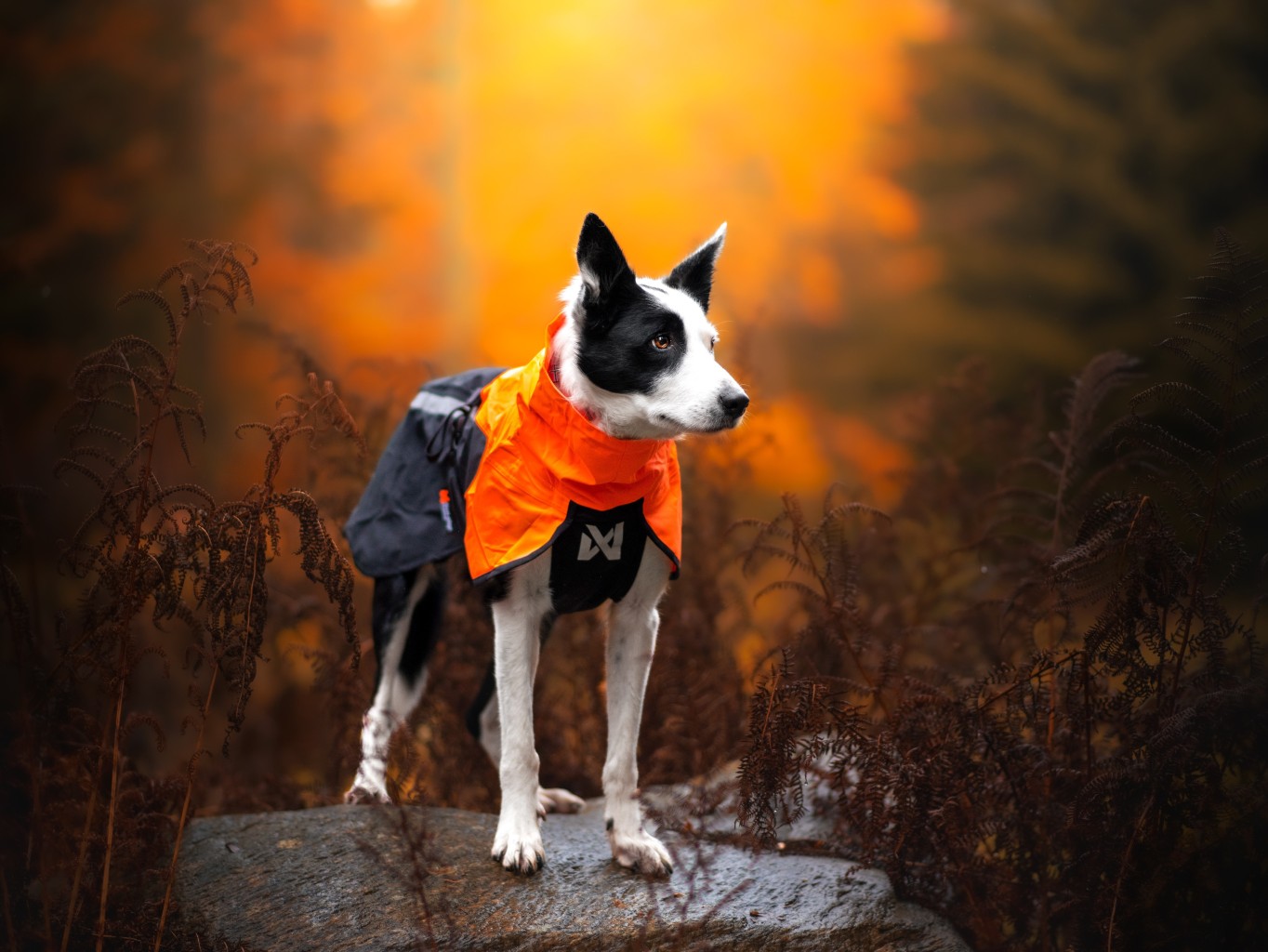
Raincoats
Their main job is protection from water and wind. The dog does not necessarily need insulation, but staying dry helps them retain their own body heat.
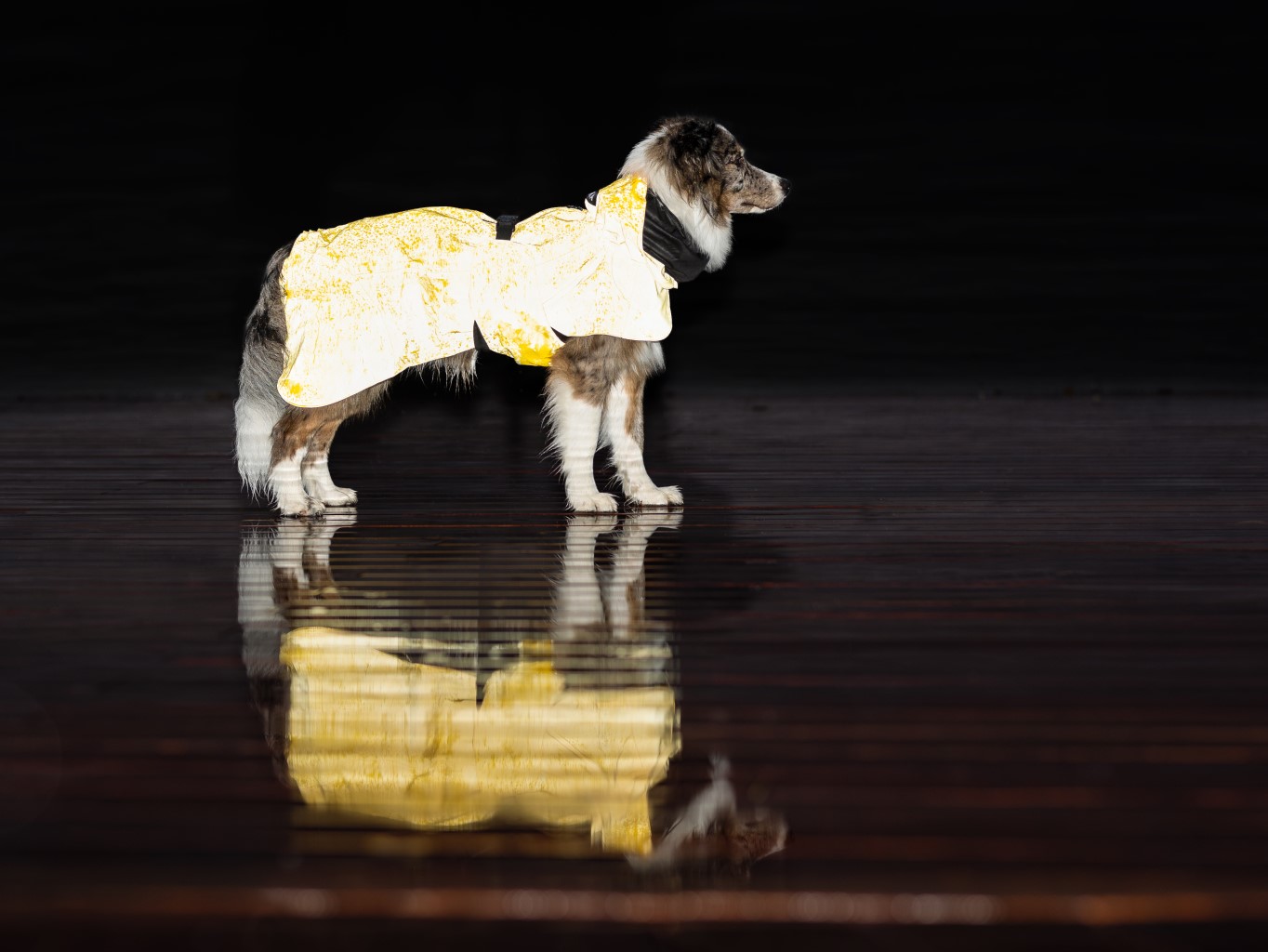
Winter clothing
For dogs that feel the cold, senior dogs, dogs without much undercoat or situations where the dog will not be moving intensely for a longer period.
Layering: when one layer is not enough
Just like people, dogs do not need one garment for every kind of weather. Combining layers can be a practical way to match what you need at that moment.
A sweatshirt adds warmth but may not protect against rain on its own. A light raincoat keeps the dog dry and protects against wind, but may not provide enough warmth. In cold, wet weather, a combination of sweatshirt + raincoat can work very well.
The layers should not pinch, bunch up or restrict movement, and they should suit how intensely the dog will be moving.
For an active dog, layering can even be useful within a single day: a sweatshirt while waiting, a raincoat over it in the rain, and one or both layers removed as needed during intense activity.
Sometimes rain matters more than temperature
Cold wind and wet fur can be more uncomfortable than a dry day at a lower temperature. A raincoat does not have to be a winter coat – its main job is often simply to keep the dog dry.
It is especially useful during longer periods outdoors, for dogs that get soaked quickly or when the dog will rest in a cooler car afterwards.
View raincoatsA drying robe can save the dog. And often the car too.
Sometimes rain comes out of nowhere. Other times the dog runs through every puddle along the way and the raincoat stops making much difference.
An absorbent dog drying robe helps draw moisture from the coat and is useful after rain, bathing, swimming or rinsing off a muddy dog. It also keeps some of that water in the robe instead of on the car seats, dog bed and walls.
Choose a drying robe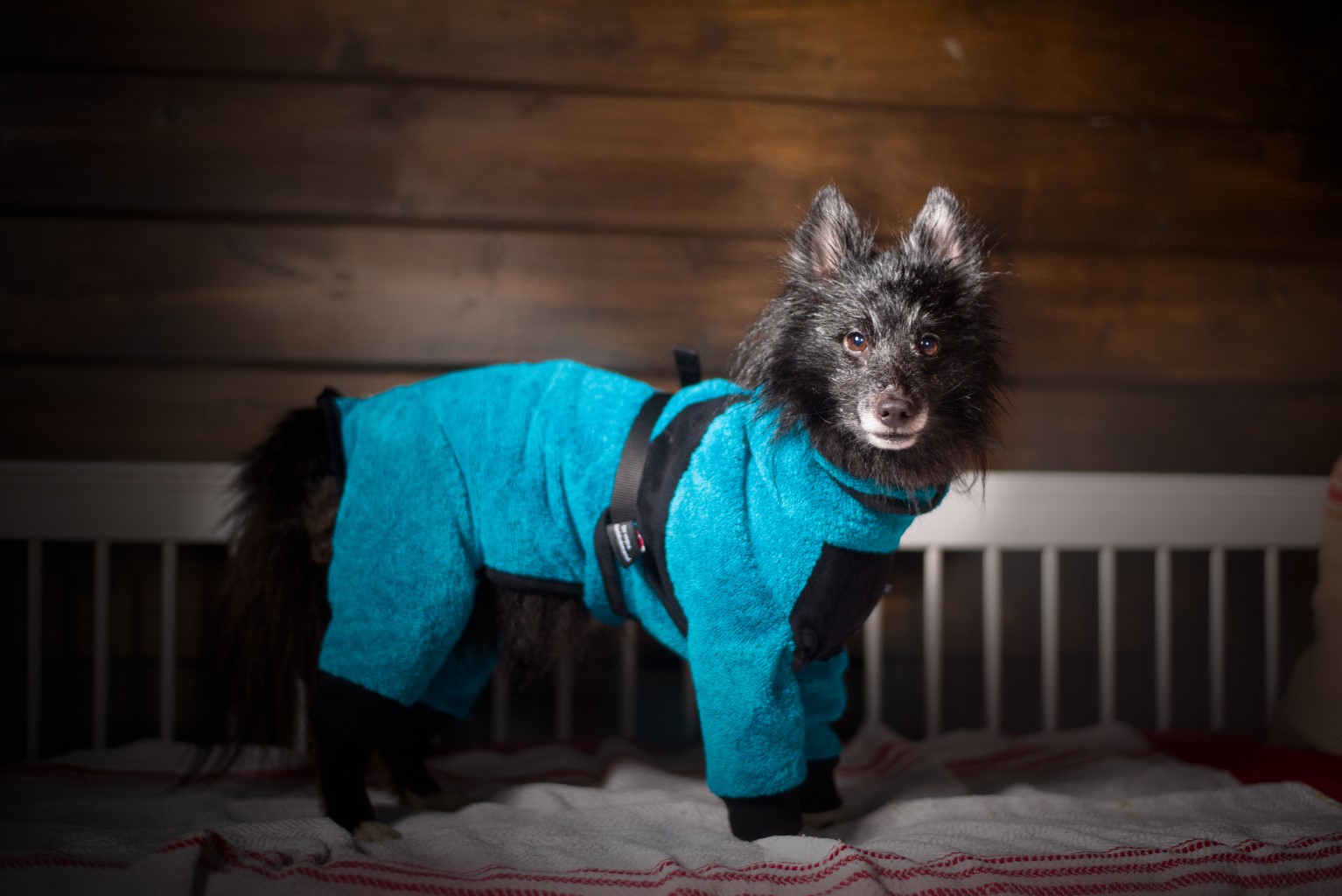
What about canine athletes?
With an active dog, it helps to separate the activity itself from the time before and after it. During running, movement generates heat, but after training the dog may stand in the car or wait between runs. That is when a layer that helps keep the muscles comfortably warm during rest can make sense.
Recovery clothingWatch out for the opposite extreme
Warmer does not automatically mean better. If the dog starts running and heats up significantly, it may be better to remove a layer. Match clothing to the current weather and level of activity – the goal is comfort, not maximum insulation.
And finally, fit: your dog must be able to move naturally
Even the best material will not help if the clothing restricts movement.
When trying it on, check for
- free shoulder movement,
- a full stride in both front and hind legs,
- no pulling across the neck,
- no shifting to one side,
- no rubbing anywhere.
It is not just about size, but also use
Clothing for resting can have a different cut from a layer intended for running. During active movement, the dog mainly needs enough room around the shoulders and hips.
If you are between sizes, consider the dog’s body shape as well as what the clothing will be used for.
So should your dog wear clothing?
Maybe yes. Maybe not at all. Instead of following one universal rule, look at your individual dog: their coat, how much they move, how long they will be outside and what the weather is like. Treat clothing as functional gear to use when it genuinely adds something to your dog’s comfort.